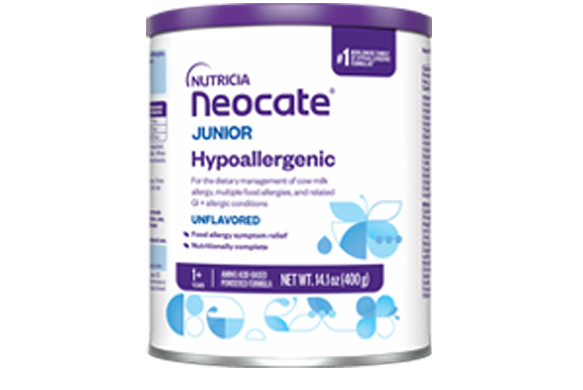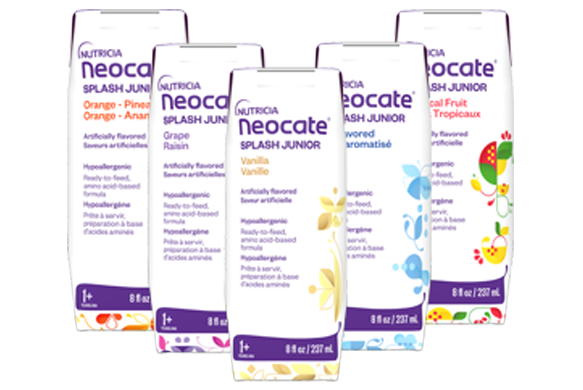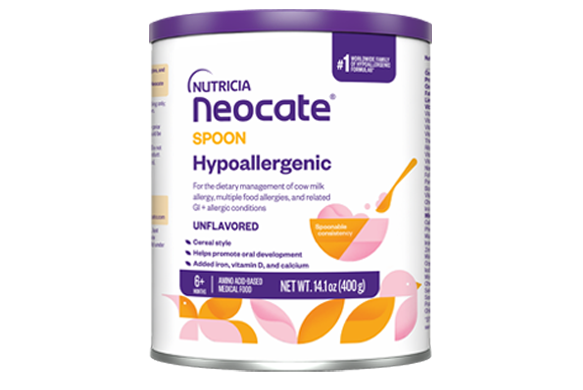


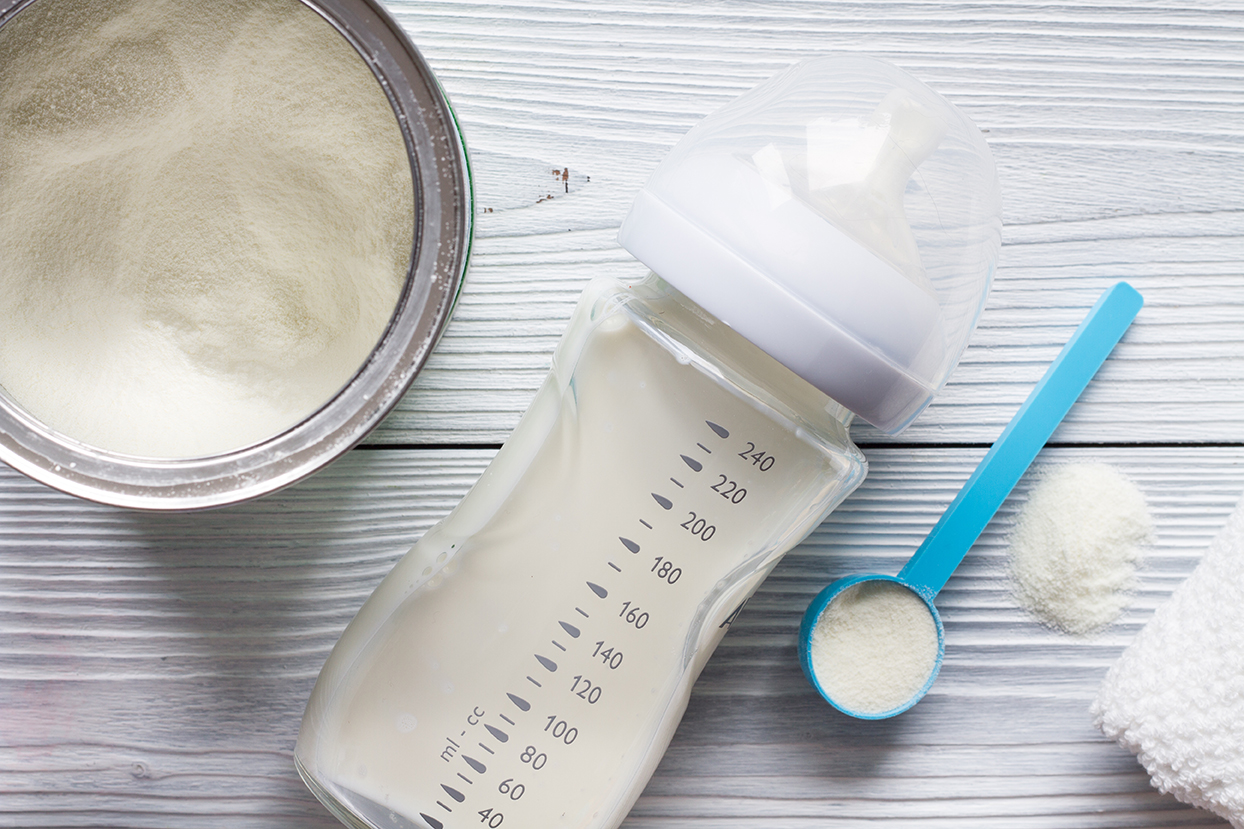
 Learn what hypoallergenic formula is, signs your baby may need it, and how your healthcare provider can help you choose the right option.
Published on November 4, 2026
Key Takeaways:
- What Is Hypoallergenic Formula? Hypoallergenic formulas are specially designed for babies with cow’s milk protein allergy (CMPA). They contain proteins that are broken down or provided in a form less likely to trigger a reaction.
- How Do I Know If My Baby Might Need a Hypoallergenic Formula? Symptoms such as excessive fussiness and crying, digestive issues like diarrhea, constipation or blood in the stool, eczema, hives, reflux, wheezing, or poor weight gain may point to CMPA and are worth discussing with your healthcare provider.
- How Can I Get Hypoallergenic Formula? Your pediatrician can help determine whether a hypoallergenic formula is appropriate and guide you through options available in stores, online, or through reimbursement and support programs.
Allergies are tricky enough to navigate for all ages. But with newborns? That’s an entirely different level of concern. When new parents are first getting used to being new parents, the last thing they need is uncertainty. Every unknown noise, every little rash, every cry can be terrifying, and not knowing how to fix it can bring up a lot of emotions. But, if your baby’s symptoms point to cow’s milk protein allergy (CMPA), the solution can often be as simple as finding the right hypoallergenic formula.
If you’re feeling overwhelmed, exhausted, or unsure what to do next, you’re not alone. Many parents find themselves in this exact situation, searching for answers and wondering how to help their little one feel better. Feeding concerns can be stressful, but support is available. Understanding what hypoallergenic formula is, what signs to look for, and how to find the right option can help you feel more prepared when talking with your baby’s healthcare provider.
What Is Hypoallergenic Formula?
Hypoallergenic formulas are designed for babies with CMPA. They use protein that has been extensively hydrolyzed (broken down) or is provided as individual amino acids, which makes them less likely to trigger an allergic reaction.
There are two main types of hypoallergenic formula: extensively hydrolyzed formulas and amino acid-based formulas ¹:
- Extensively hydrolyzed formulas, or eHFs: the allergy-triggering protein in cow’s milk is broken down into smaller pieces that can be tolerated by a majority of infants with CMPA. Most babies with CMPA can tolerate these smaller protein pieces more easily than the larger, whole cow’s milk proteins found in standard formula. In fact, extensively hydrolyzed formulas can successfully manage symptoms in about 90% of uncomplicated cases, so they’re often the first type of formula doctors will recommend for infants with CMPA.
- Amino acid-based formulas, or AAFs, do not contain whole or broken-down cow’s milk proteins. Instead, they use individual amino acids as the protein source. Amino acids are the building blocks of protein. Because they do not contain any cow’s milk protein, amino acid-based formulas are the most hypoallergenic type of formula available and may be recommended for babies with more severe symptoms or babies who do not improve on an extensively hydrolyzed formula.
Hypoallergenic formulas are different from formulas marketed as “sensitive” or “gentle.” Those products may have other features, such as partially broken-down proteins, but they are not designed for babies with confirmed or suspected CMPA. Your pediatrician or healthcare provider can help you understand which type of formula may be appropriate for your baby.
Does My Baby Need a Hypoallergenic Formula?
Babies can’t tell us what’s bothering them, which can make it difficult to know whether you’re dealing with a normal newborn phase or something that deserves a closer look.
However, certain signs may prompt your healthcare provider to evaluate whether CMPA or another feeding concern could be playing a role.
Symptoms of CMPA may include ²:
- Colic symptoms (excessive fussiness and crying)
- Digestive symptoms like diarrhea, constipation, blood in stool, reflux and persistent gassiness
- Skin issues, such as eczema, rash, or hives
- Asthma-like symptoms like wheezing
- Poor weight gain
It’s important to remember that these symptoms do not automatically mean your baby has CMPA. Many babies experience occasional digestive discomfort or skin issues, and infant colic can be unrelated to an allergy.
When colic symptoms like excessive fussiness and crying are accompanied by symptoms such as eczema, reflux, blood in the stool, or poor weight gain, your healthcare provider may want to investigate whether CMPA or another feeding concern could be contributing to your baby’s symptoms.
If you’re concerned about excessive fussiness and crying, you may also find it helpful to learn more about the potential link between colic-like symptoms and CMPA in our article about colicky babies.
The most important step is talking with your pediatrician or healthcare provider, who can help determine what may be causing your baby’s symptoms and whether a hypoallergenic formula might be helpful.
How Do You Get Hypoallergenic Formula?
Learning that your baby may need a specialized formula can bring a new set of questions. Where do you get it? Is a prescription required? Will insurance help cover the cost?
The good news is that depending on the formula and your baby’s needs, hypoallergenic formulas may be available:
- Through your healthcare provider (they can often provide samples)
- At pharmacies
- In retail stores
- Through online retailers, such as Amazon
- Via specialty medical supply providers
Before switching your baby to a hypoallergenic formula, it’s important to consult with your healthcare provider to determine the best option for your baby’s needs. Some families receive a prescription from their healthcare provider, particularly when a specialized formula is being used to manage a diagnosed medical condition. Depending on your insurance plan and your baby’s medical needs, insurance may help cover the cost of hypoallergenic formula. Coverage requirements vary, so it’s important to speak with your healthcare provider and insurance company about your specific situation.
Nutricia Is Here to Help
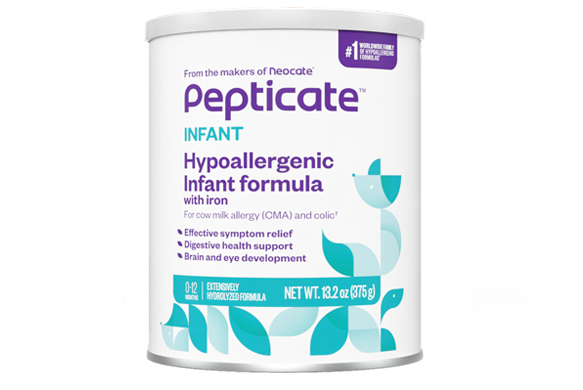
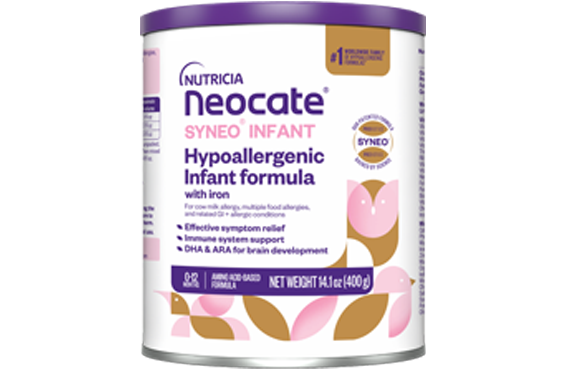
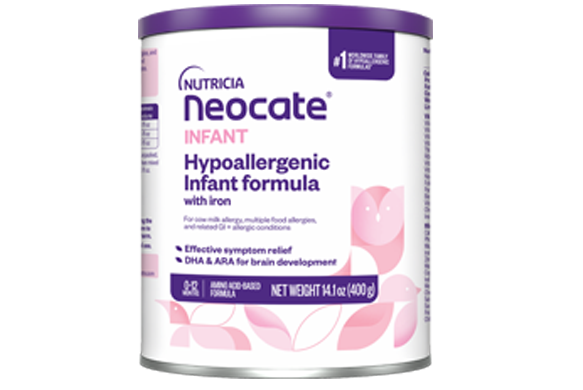
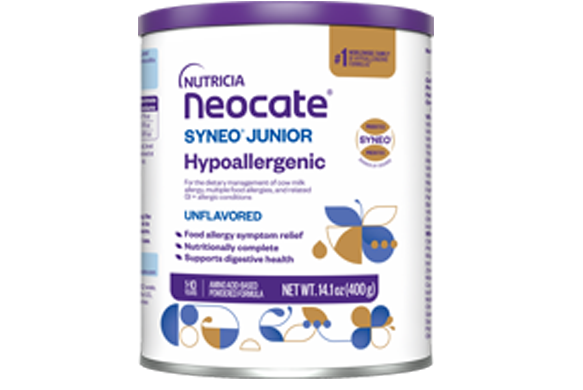
To help families navigate hypoallergenic formulas and the journey to find what works, Nutricia offers a program called The Nutricia Relief Promise Program. Parents can join for free to try Pepticate or Neocate with a “love it or it’s free” satisfaction guarantee.* You’ll also get help finding the formula, tailored, age-specific parent resources crafted by medical experts and access to Nutricia Navigator, a free assistance program that provides support to help guide you through the complexities of getting specialty formula covered by insurance. For help finding Pepticate or Neocate in a store near you, visit the Nutricia Where-to-Find page.
Final Thoughts
When your baby is uncomfortable and you don’t yet have answers, it’s easy to feel overwhelmed. Fortunately, help is available.
If your baby is experiencing symptoms such as colic (excessive fussiness and crying), digestive symptoms like diarrhea, constipation, blood in stool, reflux and persistent gassiness, skin issues such as eczema, rash or hives, asthma-like symptoms like wheezing, or poor weight gain, talk with your healthcare provider. They can help determine whether CMPA or another feeding concern may be contributing to your baby’s symptoms and recommend appropriate next steps.
For some babies, that may include a hypoallergenic formula. For others, it may involve different feeding strategies or additional evaluation.
With guidance from your healthcare team and access to the right nutritional support, you can feel confident you’re taking meaningful steps toward helping your baby thrive and live the comfortable life they deserve.
*For full terms, see https://www.neocate.com/about-neocate/satisfaction-guarantee/
Sources
¹ American Society for Parenteral and Enteral Nutrition, https://nutritioncare.org/wp-content/uploads/2024/12/Hypoallergenic-Formula-Practice-Tool.pdf
² Nutrients, Infantile Colic: When to Suspect Cow’s Milk Allergy, https://pmc.ncbi.nlm.nih.gov/articles/PMC12655778/