

 Learn the difference between “gentle” baby formula and hypoallergenic baby formula, why your baby may need to switch formulas, and how your pediatrician can help.
Published on November 12, 2026
Key Takeaways:
- Why Do Some Babies Need to Switch Formulas? Some babies react poorly to standard baby formulas because of digestive issues or allergies. Switching to a specialized formula can help alleviate symptoms.
- What Are “Gentle” and Hypoallergenic Baby Formulas? “Gentle” baby formula may address mild or common digestive issues, while hypoallergenic baby formula is intended for babies with cow milk protein allergy (CMPA).
- When Should I Talk to My Pediatrician? Your pediatrician can evaluate your baby’s symptoms and determine whether they’re experiencing general digestive issues or more specific conditions such as CMPA, and if a formula switch is necessary. Depending on the diagnosis, they can help you choose the right type of formula to use.
Finding the Right Type of Baby Formula
Your baby has been fussy and gassy after feedings, and now you’re in the store, staring at the baby formula options on the shelves. “Gentle,” “sensitive,” and “hypoallergenic”—What do these terms even mean? You start thinking: Why is my baby crying after eating? How are these formulas different? Which one should I buy?
It’s not uncommon for parents to consider switching their baby’s formula, especially when digestive concerns like spit up or fussiness arise. Understanding when a formula change might be required and the differences between various types of baby formula will help you feel prepared when you talk to your baby’s healthcare provider about options and next steps.
Why Do Some Babies Need a Different Type of Formula?
In their first year of life, babies can struggle with digestion or start showing the first signs of allergies and other medical conditions. These are two reasons parents might explore switching baby formulas:
- General Digestive Issues: Infants can experience gassiness, fussiness, and reflux because their new digestive systems are still developing. While some of this is normal (around one-third of infants ages 0 to 6 months old, for example, experience reflux¹), there are cases where a “gentle” formula might be easier on a little one’s tummy.
- Cow Milk Protein Allergy (CMPA): CMPA is an immune system reaction to the proteins found in cow’s milk. Symptoms can range from mild to severe and may include colic (excessive crying or fussiness), CMPA-related baby reflux, blood or mucus in the stool, asthma-like symptoms like wheezing, skin issues like eczema, and poor weight gain. Most baby formulas are made with cow’s milk, so formula-fed babies with CMPA need a hypoallergenic formula rather than a standard one.
Every baby’s situation is different. Before changing to a new baby formula, it’s important to consult with your baby’s healthcare provider to get an accurate diagnosis and recommendations for next steps.
What Is Gentle Baby Formula?
“Gentle” baby formulas are made with partially hydrolyzed milk proteins. This means that the proteins have been broken down into smaller pieces.
It’s important to note that while a “gentle” formula might ease common digestive issues, it should not be used to manage CMPA. ² For CMPA, a hypoallergenic formula is recommended—either an extensively hydrolyzed formula (eHF) or an amino-acid based formula (AAF). Soy formula can be used in special circumstances; however, it is rarely the first choice for infants with CMPA.
With so many formula options available, it’s important to talk with your baby’s healthcare provider about the best option for their unique situation.
What Is Hypoallergenic Baby Formula?
Hypoallergenic baby formula is specifically created for babies with CMPA. There are two types of hypoallergenic baby formula:
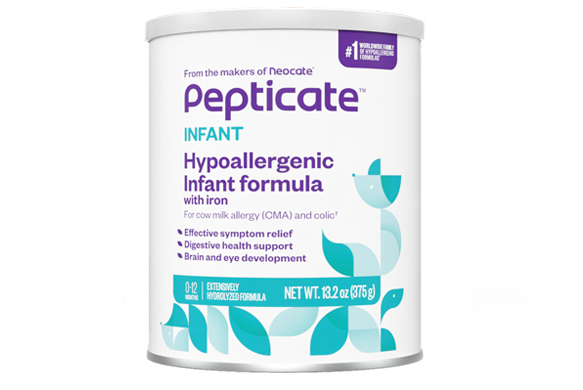
- Extensively hydrolyzed baby formula (eHF): This type of hypoallergenic formula includes extensively hydrolyzed cow’s milk proteins. That means the proteins have been broken down into even smaller pieces than in a partially hydrolyzed formula. Formulas like eHFs lower the possibility of an allergic reaction and can successfully manage symptoms in at least 90% of mild to moderate cases. Pepticate is an example of an eHF.
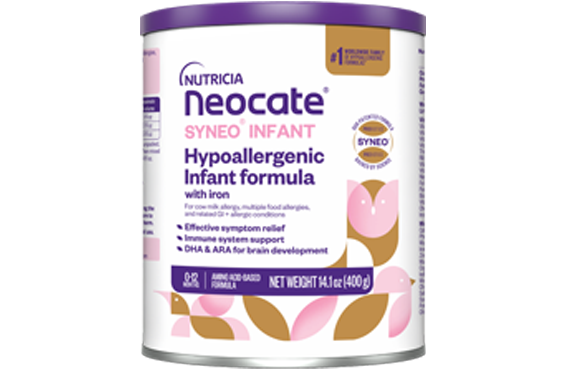
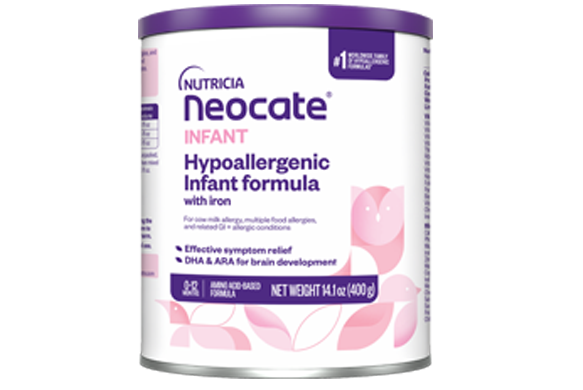
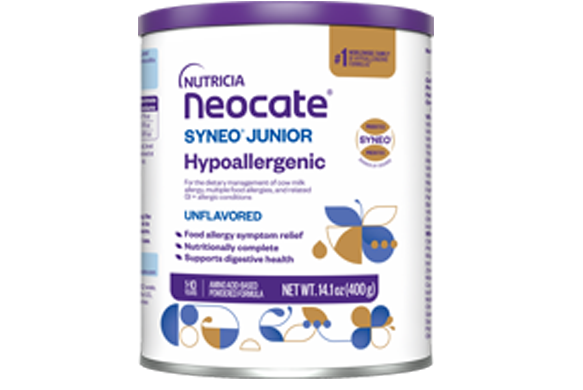
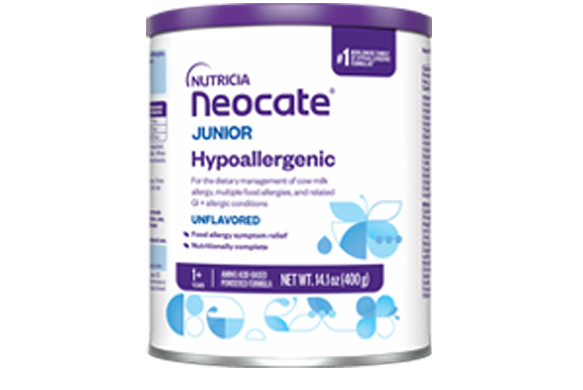
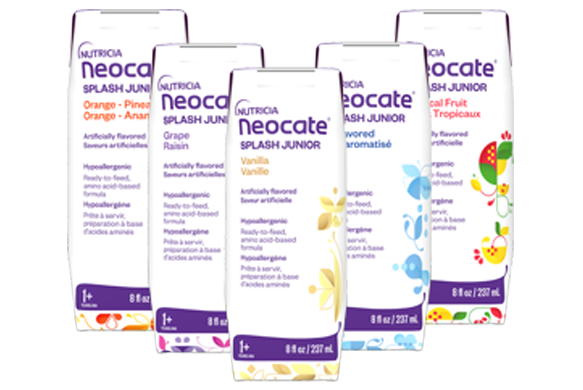
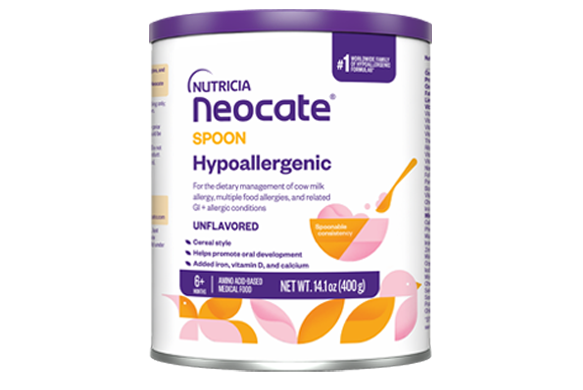
- Amino-acid based baby formula (AAF): This type of hypoallergenic baby formula is made with amino acids, the building blocks of protein, as the primary source of protein. Amino acid-based formulas are the most hypoallergenic type of formula available on the market, and are typically used for babies with severe CMPA, including babies who have not improved on extensively hydrolyzed baby formula. Neocate is an example of an AAF.
What Are the Differences Between Gentle and Hypoallergenic Baby Formula?
Gentle and hypoallergenic baby formulas differ in several ways, including purpose, protein breakdown, taste, price, and availability.
- Purpose: Gentle baby formulas are designed for babies with mild or common digestive issues such as gas and fussiness. Hypoallergenic baby formulas are for babies diagnosed with CMPA and should be recommended by a healthcare professional.
- Protein Source: Gentle baby formulas use partially hydrolyzed milk proteins, which are proteins broken down into smaller pieces to make them easier to digest. Hypoallergenic baby formulas use either extensively hydrolyzed milk proteins, proteins broken down into even smaller pieces, or individual amino acids to lower the possibility of triggering an allergic reaction.
- Taste: Hypoallergenic baby formulas can taste different from regular formulas. Some parents find their baby doesn’t notice any change in taste, whereas for other babies, the difference can take time to get used to. Our eHF, Pepticate, was rated by parents as the #1 best-tasting hypoallergenic eHF formula in a 2024 nationwide taste test.
- Price: Hypoallergenic formulas tend to cost more than standard or gentle formulas, but your insurance may provide coverage with a prescription or diagnosis. To help families navigate the process, Nutricia offers a special program called Nutricia Navigator which provides support to caregivers in navigating insurance coverage for specialty formula.
- Availability: Gentle baby formulas are widely available at most grocery stores, pharmacies, and online shops. Hypoallergenic formulas can also be found at pharmacies and online shops, but their in-person retail availability can vary. Nutricia has a customized webpage for caregivers to easily find and purchase Pepticate and Neocate via online sellers or in-person stores.
Next Steps with a Pediatrician
To find out what your baby needs, it’s important to speak with your healthcare provider about your baby’s symptoms. Your pediatrician can help determine if your baby is experiencing general digestive issues, CMPA, or something else. In addition, you can use our CMPA symptom checker and discuss the results with your provider.
If your pediatrician has identified an issue, they can provide guidance on next steps and if a specialized formula such as Pepticate or Neocate is right for your baby.
Figuring out your baby’s needs and the right type of formula can be overwhelming, but you don’t have to do it alone. With the right support and guidance from your baby’s healthcare provider, you can feel confident about supporting your child’s health and comfort.
*Based on a March 2024 nationwide taste test of powdered eHFs among parents.
Nutricia North America supports the use of breast milk wherever possible.
Sources
¹ Muhardi, L., Aw, M. M., Hasosah, M., Ng, R. T., Chong, S. Y., Hegar, B., Toro-Monjaraz, E., Darma, A., Cetinkaya, M., Chow, C. M., Kudla, U., & Vandenplas, Y. (2022). A narrative review on the update in the prevalence of infantile colic, regurgitation, and constipation in young children: Implications of the ROME IV criteria. Frontiers in Pediatrics, 9, Article 778747. https://doi.org/10.3389/fped.2021.778747
² Kipfer, S., & Goldman, R. D. (2021). Formula choices in infants with cow’s milk allergy. Canadian Family Physician, 67(3), 180-182. https://pmc.ncbi.nlm.nih.gov/articles/PMC7963007/